Guide to Handling Car Fluid Leaks: What They Mean and How to Fix Them
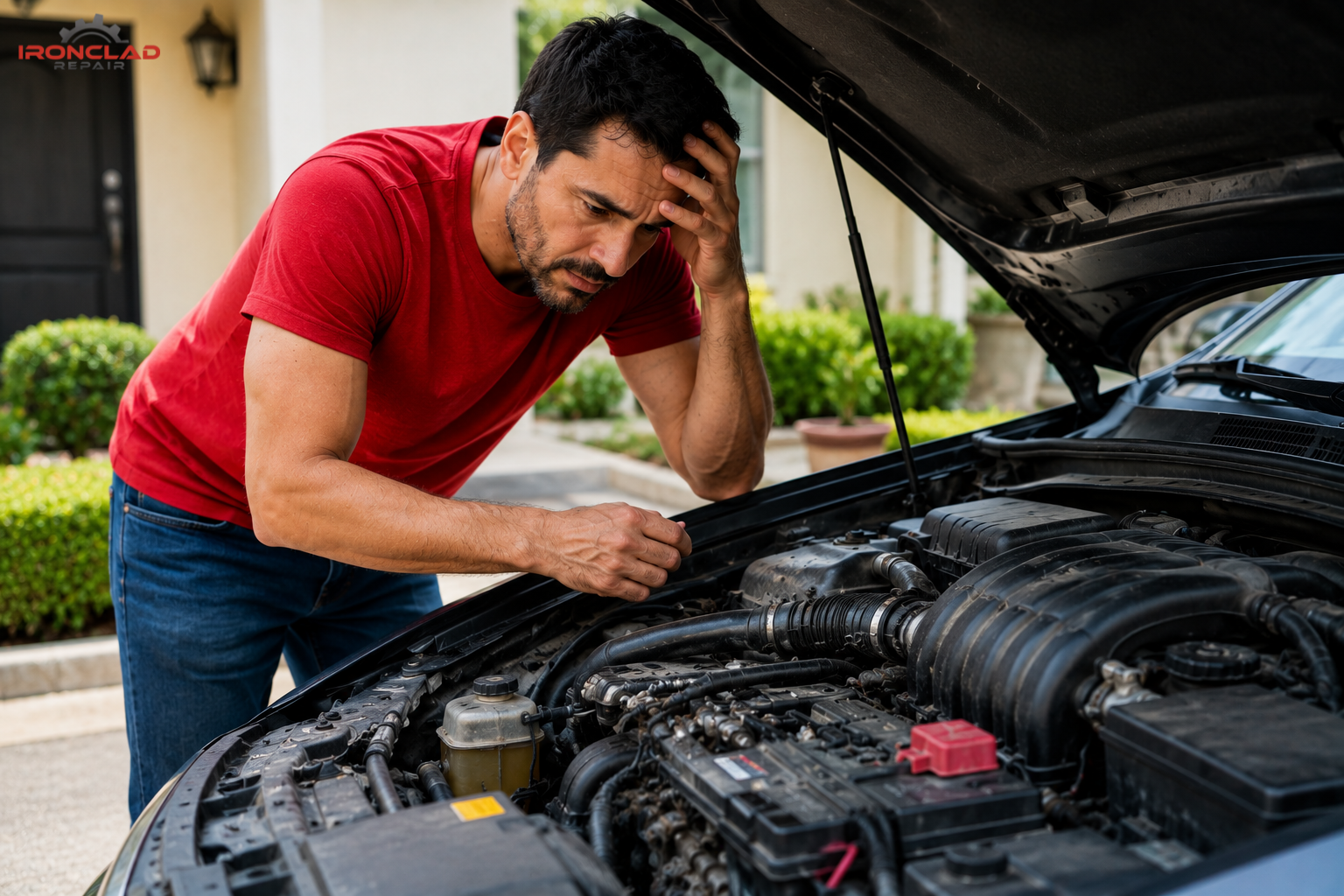
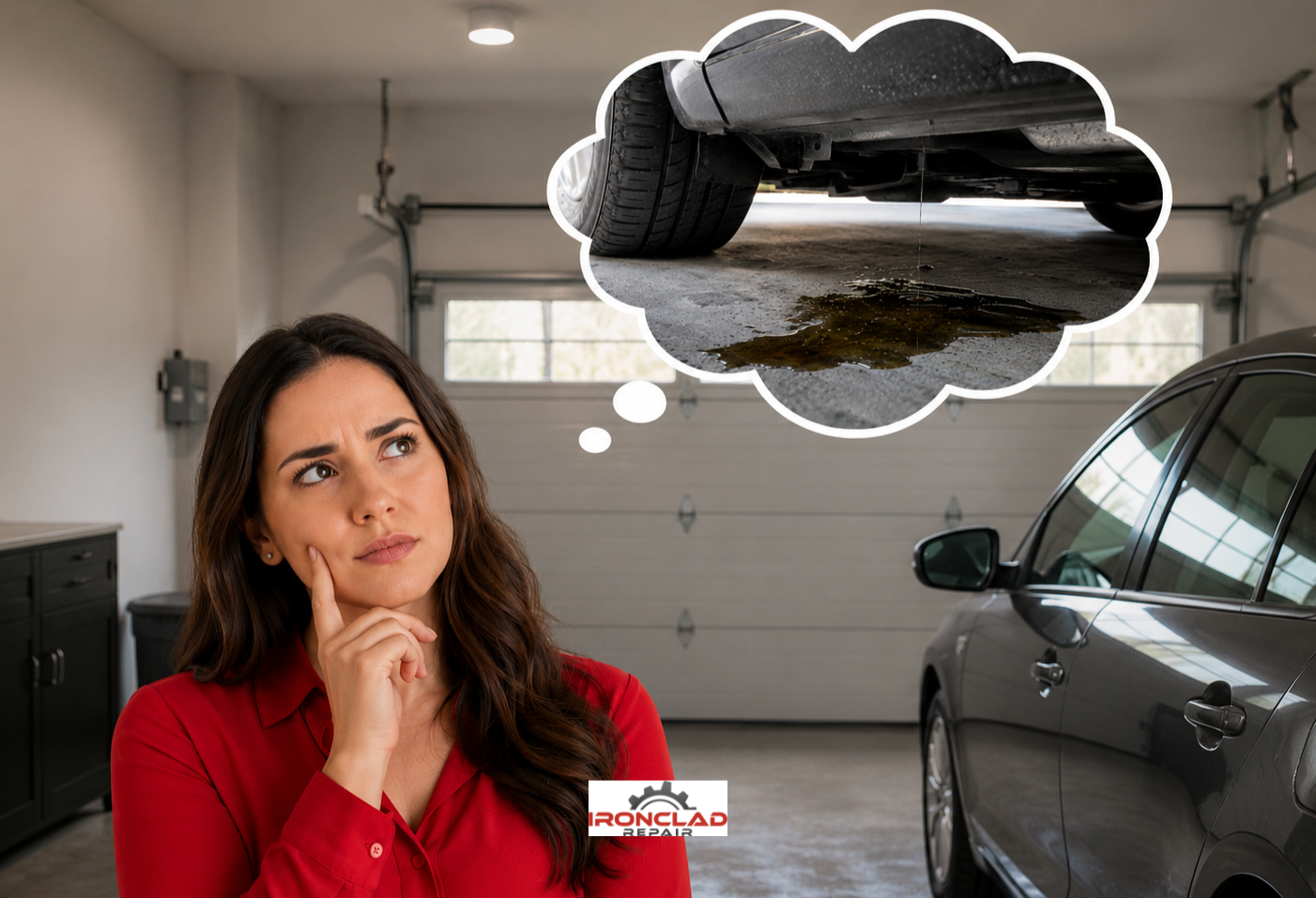
Seeing a puddle under your car can be annoying, but it’s one of the clearest signals that your car needs attention. Car fluid leaks are common, but don’t ignore them. Even a small leak can lead to major repair costs, safety issues, or unexpected breakdowns. If you want to keep your engine, brakes, cooling system, and transmission in top shape, it’s important to know what the leak looks like and where it might be coming from.
Drivers who keep up with leaks often save money by catching problems early with routine inspection and maintenance. If you’re already seeing warning signs, it might be a good idea to schedule vehicle diagnostics and troubleshooting so a technician can find the source instead of just guessing. Many leaks are easier to deal with if the vehicle is checked quickly, especially if you stay on top of general vehicle maintenance and related service intervals.
In Phoenix, the heat can make leaks develop faster and damage fluids more quickly, so local drivers need to pay extra attention to changes in smell, color, or dashboard warnings. Automotive pros are increasingly using modern diagnostic tools like thermal imaging, pressure testing, and acoustic listening devices to pinpoint leaks more accurately. For more on automotive safety and maintenance best practices, the National Highway Traffic Safety Administration offers useful guidance on vehicle care at NHTSA.
Why Car Fluid Leaks Matter More Than Most Drivers Realize
Small leaks can create expensive repairs.
A minor drip might seem harmless, but fluid loss often leads to a chain reaction of mechanical problems. Engine oil leaks can reduce lubrication and increase friction, coolant leaks can trigger overheating, and transmission fluid leaks can cause shifting problems or complete transmission failure. Brake fluid leaks are especially serious because they can compromise stopping power and create an immediate safety hazard.
Damage usually happens gradually. You might notice a spot in the driveway, then a little more hesitation while driving, and finally a warning light or overheating event. By then, the repair bill can be much higher than the cost of a simple inspection. That’s why many technicians recommend catching fluid issues early through oil changes and regular fluid service, even if the car seems to run fine.
Leaks can affect safety as well as performance.
Fluid leaks are not just a convenience issue. Brake fluid loss can reduce braking performance, coolant leaks can cause the engine to overheat and shut down, and power steering fluid leaks can make steering heavier and less predictable. Even a leaking oil pan gasket or valve cover gasket can create smoke or odor if fluid drips onto hot engine parts.
For more on how neglected fluid maintenance affects vehicle health, the U.S. Department of Energy explains that routine maintenance is key to reliable performance and fuel efficiency. You can read more about vehicle maintenance basics at Energy.gov. Treating leaks as an early warning sign is one of the smartest habits you can build to keep your car dependable.
The Most Common Types of Car Fluid Leaks
Engine oil leaks
Engine oil leaks are among the most common leaks drivers notice. Oil is usually brown or black, although fresh oil may appear amber. You might find spots near the front or middle of the vehicle or smell burning oil if it drips onto hot exhaust components. Common sources include worn gaskets, a loose drain plug, a damaged oil filter, or aging seals.
If oil levels drop too low, the engine can suffer accelerated wear because moving parts are not properly lubricated. That’s why sticking to timely oil changes matters even if there are no obvious drivability problems. Oil is the foundation of engine protection, and a leak can quietly undo that protection before you even realize what’s happening.
Coolant and antifreeze leaks
Coolant leaks usually appear green, orange, pink, or yellow, depending on the type used in the vehicle. These leaks can come from radiator hoses, the radiator itself, the water pump, the thermostat housing, or the heater core. A sweet smell under the hood, a rising temperature gauge, or visible steam are common clues that the cooling system is struggling.
Phoenix heat makes coolant issues particularly important because high ambient temperatures place extra stress on the system. When coolant loss is ignored, the engine can overheat quickly and suffer warped components or head gasket damage. Routine checks during general vehicle maintenance can help catch hose cracks, loose clamps, and other cooling system issues before they become emergencies.
Transmission fluid leaks
Transmission fluid is typically red, pink, or reddish-brown, and it may have a slightly sweet or petroleum-like smell. Leaks often show up near the center or front of the vehicle, depending on the drivetrain layout. Common causes include damaged seals, a cracked transmission pan, a faulty gasket, or loose cooler lines.
Ignoring a small transmission leak can lead to major failure. Transmission repair is often far more costly than early leak repair, which is why many drivers search for a trusted inspection the moment they spot red fluid under the car. If you suspect shifting problems along with a fluid leak, scheduling diagnostics and troubleshooting is a practical next step.
Brake fluid leaks
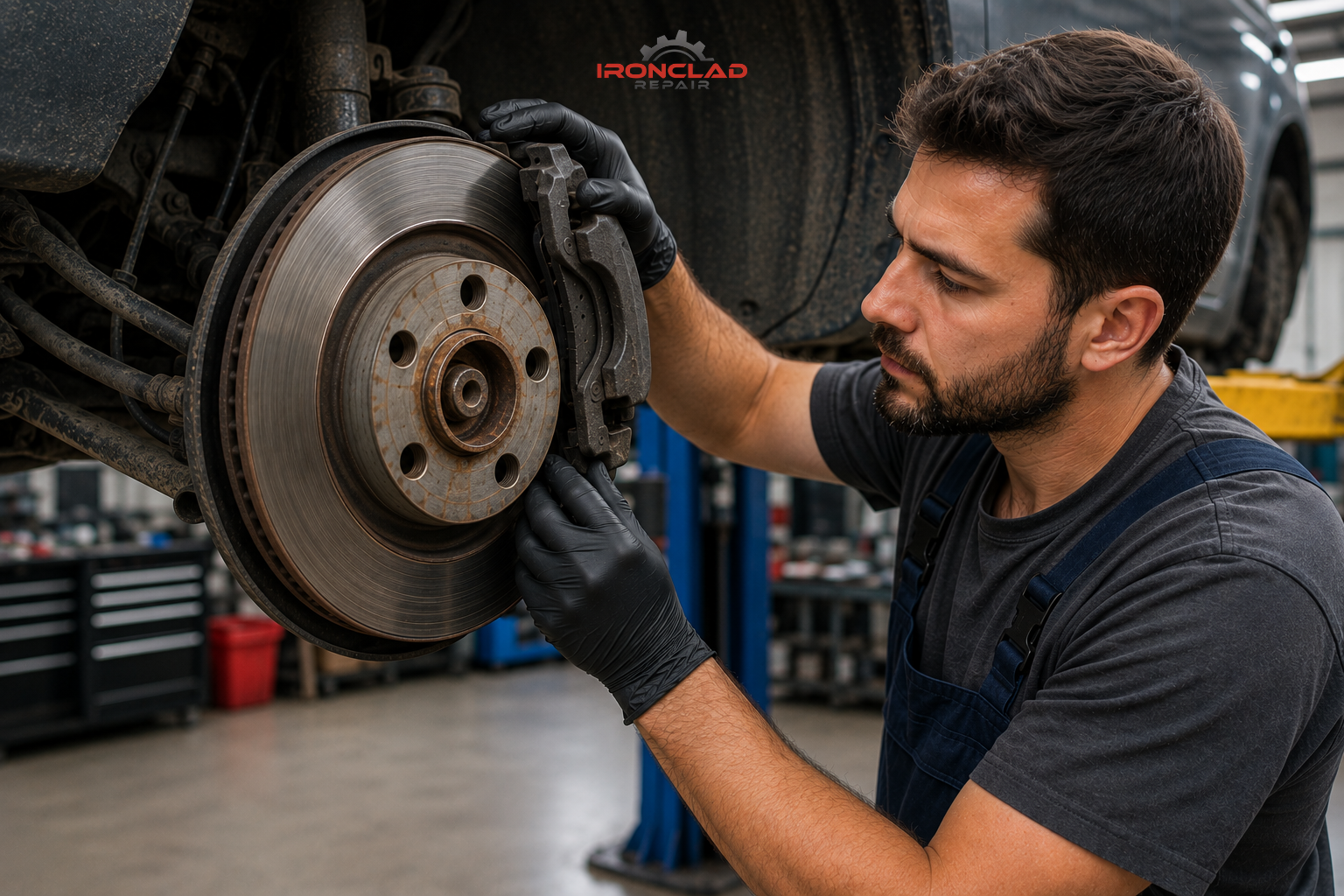
Brake fluid is usually clear to amber, though it can darken with age. Because it supports hydraulic pressure, a leak can make the brake pedal feel soft, spongy, or sink toward the floor. You may also see the brake warning light, experience reduced stopping power, or notice fluid around the wheels or under the master cylinder.
This is one of the most urgent leak types because braking performance is a direct safety concern. The National Highway Traffic Safety Administration regularly emphasizes the importance of responsive braking and regular inspections, especially when warning lights appear. If you notice anything unusual with the pedal feel, it’s wise to stop driving and seek help immediately.
Power steering and windshield washer fluid leaks
Power steering fluid leaks can make turning the wheel harder, especially at low speeds. Depending on the vehicle, the fluid may be reddish, amber, or clear. Leaks often come from lines, hoses, or the steering rack, and they can create whining noises when the system runs low.
Windshield washer fluid leaks are less mechanically serious, but they still affect visibility and convenience. This fluid is usually blue or brightly colored and often comes from the reservoir or broken lines. While it may not strand your vehicle, it’s still worth addressing during a full inspection because it often indicates other aging components nearby.
How to Identify a Leak Before It Becomes a Bigger Problem
Look at the color and location.
One of the fastest ways to narrow down a fluid leak is by checking the color of the spot and where it appears under the vehicle. Oil is dark and slippery, coolant is often bright and slightly sticky, transmission fluid may be red, and brake fluid tends to be clear to amber. The closer you are to identifying the color, the easier it becomes to narrow down the likely system.
Location matters too. Leaks near the front often point to the engine, radiator, or power steering system, while leaks in the center may be related to transmission components. Rear leaks can involve the differential or fuel-related systems in some vehicles. For a structured assessment, a technician can combine visual inspection with automotive diagnostics to pinpoint the cause more efficiently.
Watch for odors, warning lights, and behavior changes
Fluid leaks often reveal themselves in more than one way. A sweet smell can indicate coolant, a burning smell can suggest oil on hot parts, and a whining noise may point to low power steering fluid. Warning lights on the dashboard are another clue, especially for engine temperature, oil pressure, or brake system alerts.
There’s also the way the car drives. Hesitation, overheating, rough shifting, stiff steering, or reduced braking response can all be linked to fluid loss. If your car starts smelling strange or acting differently, related issues may overlap with other concerns, such as AC problems or warning lights, which is why it can help to read about strange car odors and dashboard warning lights as part of a broader diagnostic process.
Use simple checks between service visits.
You don’t need professional tools to catch many leaks early. Park on a clean surface, inspect the driveway after the car has been parked overnight, and check fluid levels according to the owner’s manual. Look under the hood for damp hoses, wet seals, or residue around the reservoir caps and fittings.
Regular visual checks are especially useful before long trips or during the hottest months. Automotive experts consistently recommend routine fluid inspections because they help identify leaks before the vehicle is seriously affected. This is one reason shops that specialize in preventive maintenance can save drivers time and money over the long term.
Latest Diagnostic Trends and Best Practices
Modern tools make leak detection faster and more accurate.
Recent advances in automotive diagnostics have improved the way technicians find fluid leaks. Thermal imaging can show temperature differences that reveal overheating components, pressure testing can identify system weaknesses, and acoustic listening devices can help locate hidden leaks without unnecessary disassembly. These tools reduce guesswork and often speed up repairs.
Industry best practices now favor precise testing over trial-and-error part replacement. That’s important because many leak symptoms look similar, but the repair solutions can be very different. For example, a cooling system issue may stem from a hose clamp, while a transmission leak may require a pan gasket or line repair. Better diagnostics means a more accurate repair plan and a higher chance of fixing the problem the first time.
Preventive inspections are still the best defense.
Even with advanced tools, preventive maintenance remains the most effective way to avoid major fluid-related breakdowns. Routine service allows technicians to find soft hoses, worn seals, cracked reservoirs, and declining fluid quality long before a driver notices symptoms. That’s especially valuable in hot climates where fluids degrade faster and rubber components age more quickly.
In Phoenix, shops report that heat often accelerates seal wear and fluid breakdown. That’s why local drivers benefit from seasonal checks and timely service appointments. If you live in the area and need help staying ahead of leaks, you can combine diagnostics with air conditioning services or cooling-system related maintenance when your vehicle is already in for inspection.
Real-World Example: Why Ignoring a Small Leak Becomes a Big Repair
A transmission leak that grows into failure
Imagine noticing a small red puddle once or twice but delaying repair because the car still shifts normally. Over time, the fluid level drops, the transmission starts to hesitate, and heat buildup increases internal wear. Eventually, the vehicle may begin slipping between gears or fail altogether, turning a relatively simple seal or line repair into a major component replacement.
Repair professionals often warn that small transmission leaks can become large repair bills very quickly, especially when heat and stop-and-go driving add stress to the system. This is consistent with reports from local repair experience in Phoenix, where severe temperatures can intensify the effects of neglected maintenance. If the car is still drivable, early inspection is usually the smartest way to avoid a breakdown.
Cooling system issues in extreme heat
Another common case involves a coolant leak that starts as a slow seep from a hose or radiator seam. The car may run normally in mild conditions, but once summer temperatures rise, the cooling system no longer has enough reserve to manage heat. The result can be sudden overheating, loss of coolant, and potential engine damage.
This is why drivers in warm climates should take coolant leaks seriously, even if they seem minor. When a shop performs a detailed inspection, it can determine whether the problem is a small hose issue or part of a broader cooling system concern. Pairing that inspection with routine maintenance gives the vehicle a better chance of staying reliable through the hottest months.
Frequently Asked Questions About Car Fluid Leaks
What are the most obvious signs of a fluid leak?
The most common signs include puddles or spots under the vehicle, low fluid levels, warning lights, unusual odors, smoke, or changes in how the car drives. Some leaks are easy to spot because they drip onto the ground, while others only show up as residue on engine parts or a gradual performance change. Any of these signs should be taken seriously.
Can I keep driving if the leak is small?
It depends on the fluid and severity. A small windshield washer leak is usually not urgent, but oil, coolant, brake fluid, and transmission fluid leaks should be assessed quickly. Even if the car still seems fine, hidden damage can continue in the background. When in doubt, a professional inspection is the safest choice.
Are fluid leaks covered under warranty?
Coverage depends on the vehicle’s age, mileage, warranty terms, and whether the leak was caused by a manufacturing defect or wear and tear. It’s always best to review the warranty paperwork or contact the manufacturer directly. Even if a repair is not covered, catching the issue early can still reduce costs significantly.
How can I prevent leaks in the first place?
Regular service is the best prevention. That includes timely oil changes, coolant checks, brake inspections, transmission maintenance, and attention to any warning lights or odd smells. Drivers who stay ahead of maintenance often avoid the most expensive repair scenarios because they find wear before it turns into failure.
If you want to reduce the chance of future problems, work with a shop that emphasizes honest inspection and clear recommendations rather than unnecessary upselling. Preventive maintenance is most effective when the technician explains what’s happening, what needs attention now, and what can safely wait.
When to Call a Professional Technician
Immediate attention is needed for brake or coolant leaks
If the leak seems related to brakes, overheating, or transmission failure, it’s time to stop driving and get help. These systems are too important to risk, and continuing to drive can create safety hazards or much more expensive damage. A professional can identify the source, check related components, and recommend the correct repair plan.
For drivers who need dependable help, Ironclad Repair offers accurate diagnostics, straightforward communication, and service designed to keep vehicles safe and reliable. Whether the issue turns out to be a seal, hose, gasket, or another failing component, getting the vehicle inspected quickly is usually the best investment you can make.
A trusted inspection saves time and guesswork.
Because different fluids can produce similar symptoms, guessing at the problem often wastes time and money. Professional technicians use inspection tools, leak detection methods, and repair experience to identify the true source. That’s especially valuable when multiple issues appear at once, such as a leak, a warning light, and rough driving behavior.
In situations where you need help understanding what is urgent and what is not, a full inspection can also reveal whether the leak connects to another system, such as the brakes, cooling system, or steering. This broader approach helps prevent repeat visits and gives you a clearer path forward.
Protect Your Vehicle Before a Small Leak Turns into a Major Repair
Car fluid leaks are common, but they’re never something to ignore. The sooner you identify the fluid, understand the likely source, and schedule service, the more likely you are to avoid breakdowns and expensive repairs. Whether the issue is oil, coolant, transmission fluid, brake fluid, or power steering fluid, early action matters.
If you’ve noticed a stain under your vehicle, a burning smell, a dashboard warning light, or a change in how your car drives, the next step is simple: get a professional inspection before the problem grows. For drivers in Phoenix who want clear answers, you can contact Ironclad Repair for help with leak diagnosis, fluid service, and preventative maintenance. If cost is a concern, review financing options to make repairs more manageable while protecting your vehicle for the long run.
Take the warning signs seriously, stay on top of maintenance, and use expert diagnostics when needed. A small leak today can become a major repair tomorrow, but the right attention at the right time can keep your car safer, smoother, and more dependable.