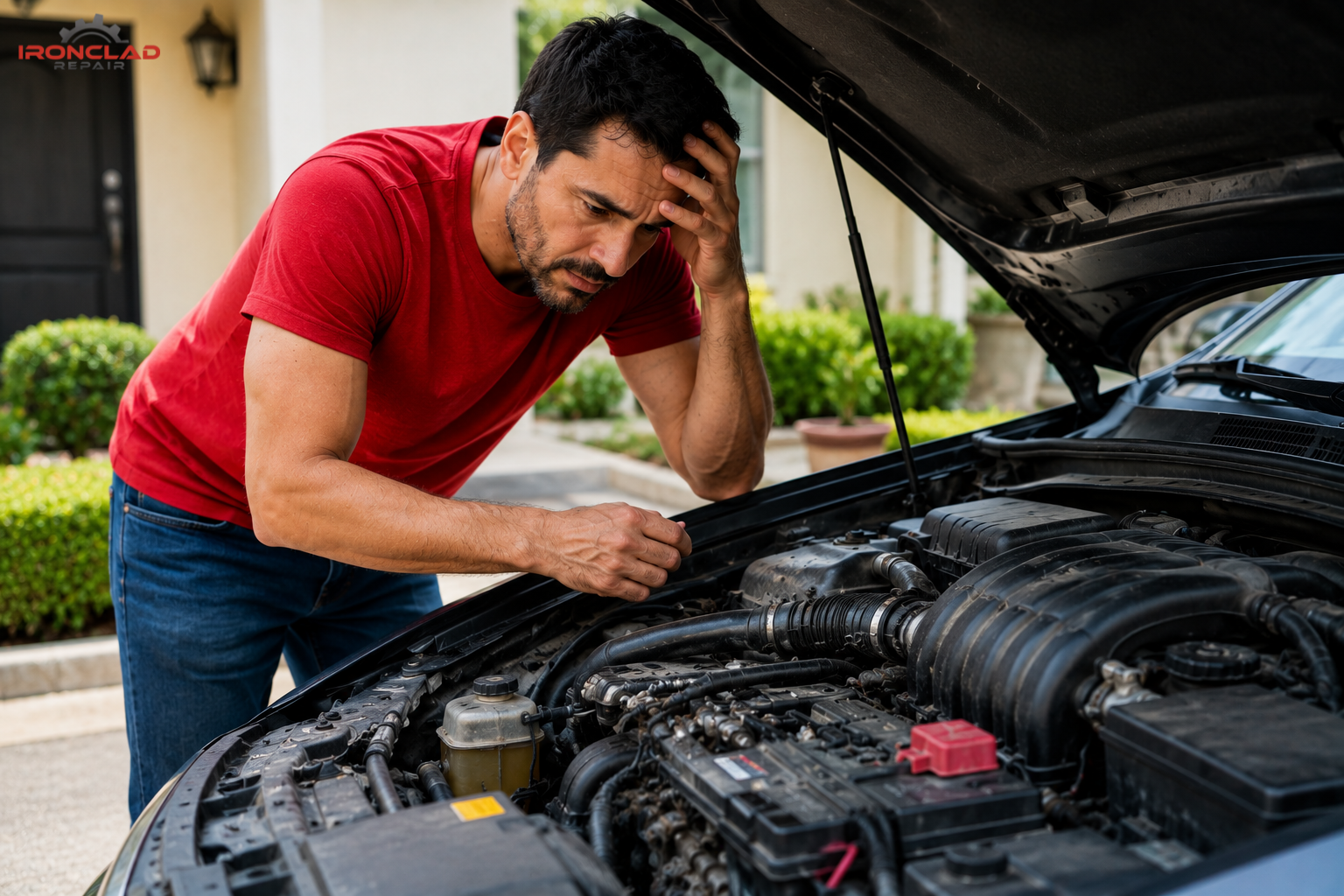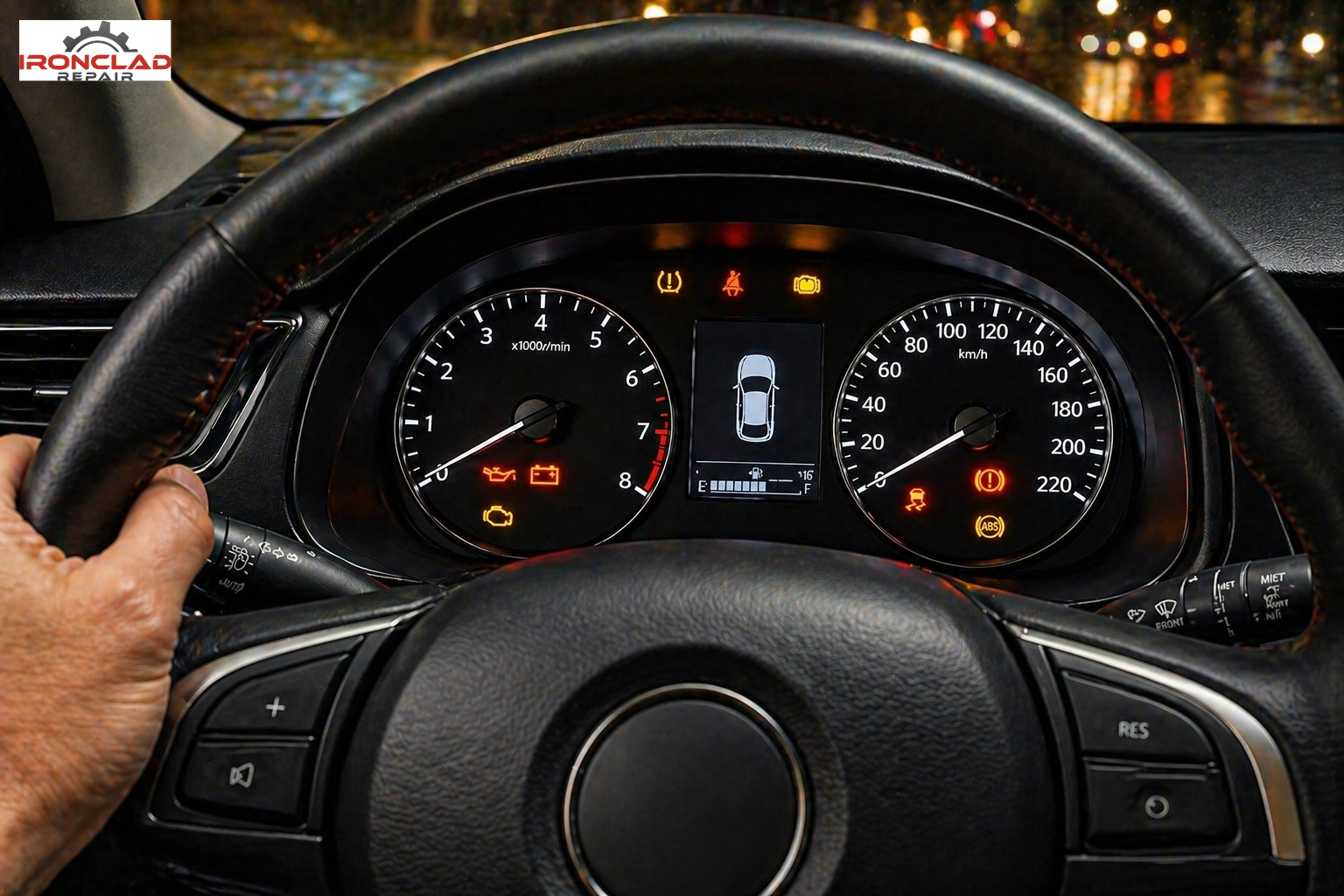
Think of your dashboard warning lights as your car’s way of talking to you. Knowing how to read them can help you avoid a lot of hassle, save money, and keep stress away. Some lights are just reminders, while others signal urgent issues that need fixing right away. If you're driving often, understanding these symbols is as crucial as knowing when to do oil changes or other regular maintenance.
Modern cars use color-coded warning lights to help you react quickly. Red lights usually mean trouble, yellow or amber lights suggest caution, and green or blue lights usually show that everything’s working fine. Consumer Reports breaks down this color system well, explaining that the dashboard is there to help you deal with issues before they get worse.
At Ironclad Repair, we know that ignoring a small warning can lead to bigger, costlier repairs. Acting early can often save you from expensive damage and keep your car safer on the road. That's why getting a diagnostic check matters, especially when a light pops up without an obvious issue. Our vehicle diagnostics and troubleshooting service is designed to find the problem before it gets worse.
How Dashboard Warning Lights Help You
Color Coding Simplifies Decisions
One of the best things about modern car technology is the use of easy-to-understand dashboard symbols. Instead of memorizing every possible issue, carmakers use colors and icon shapes to show urgency. A red light typically means you should stop and check your car as soon as possible. Amber lights suggest you can keep driving carefully for a bit, but you should get it checked soon.
This helps reduce confusion, especially when you're stressed. For example, a green cruise control symbol isn't a warning at all; it just confirms a system is on. Knowing the difference between symbols helps you focus on the lights that matter. When you understand this, you're less likely to panic over harmless indicators and more likely to act quickly on serious ones.
Warning Lights and Onboard Diagnostics
Most warning lights connect to your car’s onboard diagnostic system, which constantly checks sensors and parts. If something's off, the computer stores a fault code and lights up a warning. This could be due to something simple like a loose gas cap or a bigger issue like engine misfires, overheating, or low oil pressure.
Since modern cars rely heavily on electronics, a single light can point to several causes. That’s why guessing isn't a good idea. A professional inspection can confirm if the problem is simple or serious, and that’s where skilled technicians and proper testing gear come in.
Common Warning Lights and Their Meanings
Check Engine Light
The check engine light is one of the most misunderstood symbols because it can mean different things. Sometimes, it’s triggered by a loose fuel cap or a temporary sensor issue. Other times, it indicates issues with the ignition, emissions, catalytic converter, or engine performance. Kelley Blue Book advises not to ignore this light because small problems can lead to bigger mechanical issues if left unchecked.
If the light is steady, you might still drive for a short while, but you should schedule service soon. If it flashes, it usually means a severe misfire or urgent problem. Driving could damage the engine or catalytic converter, so it’s best to get it checked immediately.
Oil Pressure Light
The oil pressure light is a serious warning. It doesn't always mean low oil level, but it suggests the engine might not be getting enough lubrication, which protects parts from friction and heat. When this light comes on, it's best to stop and check the engine immediately.
If you see this light while driving, pull over safely and turn off the engine. Checking the oil level might help identify the issue, but the car should be inspected if the light stays on. Low oil pressure can quickly damage the engine, especially in hot weather or under heavy driving conditions.
Battery and Charging System Light
A battery-shaped warning light usually signals a charging system problem, not just the battery. It could be an alternator issue, a worn belt, corroded connections, or a failing battery. When this system fails, the car might keep running for a while, but it can shut down once the electrical reserve is used up.
Don’t ignore this warning because your car needs electrical power for ignition, fuel delivery, lighting, and many safety systems. If the light appears, get the vehicle tested soon to find out what’s wrong before you get stranded.
Tire Pressure Monitoring Light
The tire pressure monitoring system (TPMS) warns you when one or more tires are underinflated. A low-pressure warning might appear after temperature changes, a slow leak, or a puncture. Underinflated tires reduce fuel economy, affect handling, and wear out faster.
This light isn't usually an emergency, but you should still address it promptly. Check tire pressure with a gauge and compare the reading to what’s recommended on the driver-side door placard. If pressure keeps dropping, the tire might have a puncture or valve issue needing repair.
When a Warning Light Means Stop Driving
Red Lights Signal Urgent Problems
Red lights often represent serious risks because they can indicate issues that might damage the car or affect safety. Examples include oil pressure, overheating, brake system failure, and charging system faults. If a red light appears while driving, slow down, find a safe place to stop, and see if the car should be turned off immediately.
The RAC advises treating critical warning lights seriously and consulting the owner’s manual for specific instructions. While every car is different, the main idea is simple: red means act now, not later.
Overheating in Hot Climates
In hot climates, cooling system warnings might appear more often because engines work harder to manage heat. Phoenix drivers know how quickly temperatures can rise, especially in traffic, on long commutes, or when running the AC in extreme heat. If the coolant temperature light comes on, it could mean low coolant, a bad thermostat, a cooling fan issue, or another heat-related problem.
If the engine starts overheating, don’t keep driving in hopes the light will go away. Turn off the AC, pull over safely, and let the engine cool before checking anything. Driving while overheating can warp parts, damage the head gasket, and lead to expensive repairs.
Brake Warning Lights
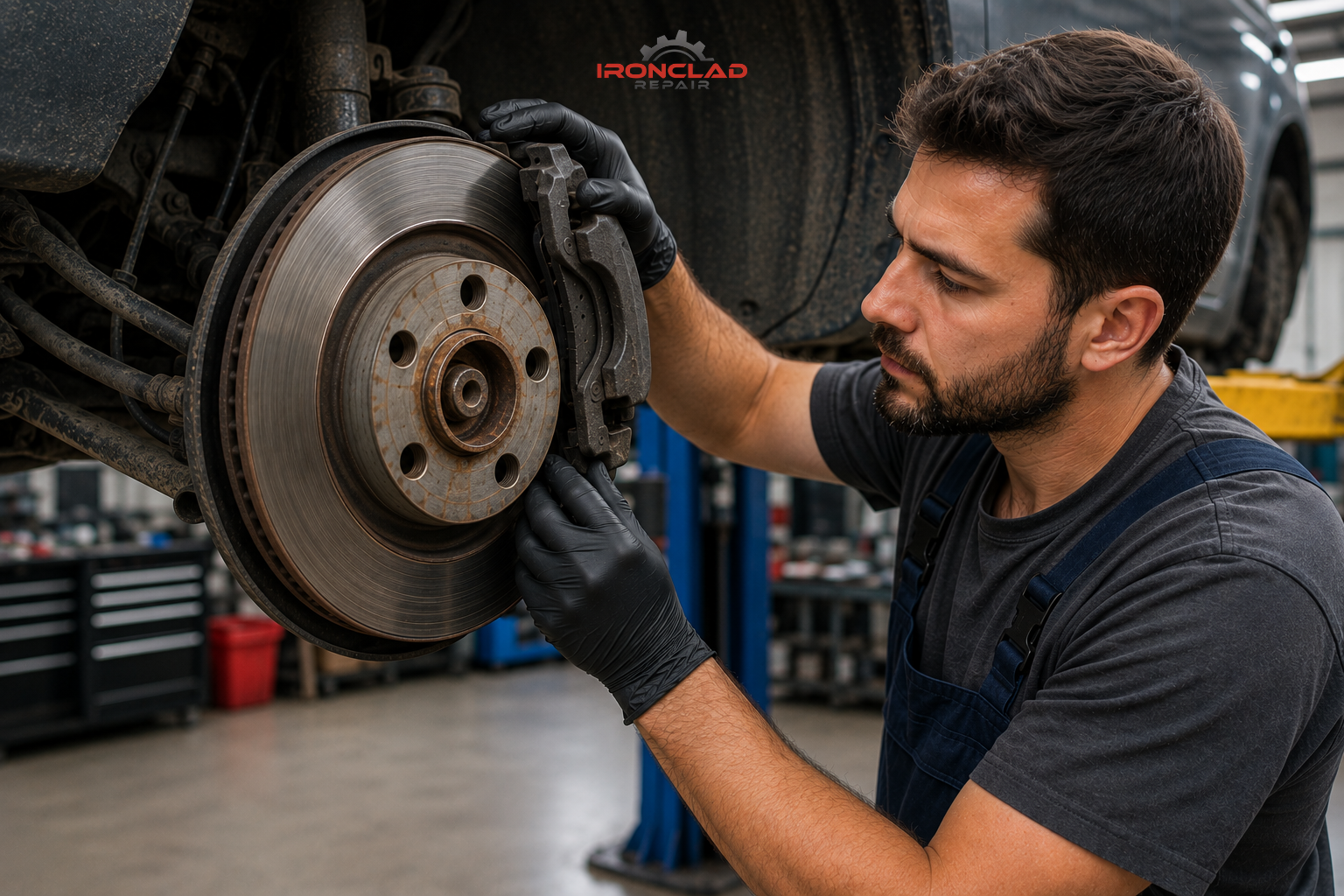
A brake warning light might mean the parking brake is on, brake fluid is low, or there's a brake system issue. Since brakes are tied to safety, any ongoing brake warning should be taken seriously. If braking feels soft, noisy, or unusual, have the car inspected before driving again.
Brake concerns are crucial if you notice vibration, pulling, or longer stopping distances. These symptoms might indicate pad wear, rotor issues, fluid leaks, or hydraulic problems. Routine general vehicle maintenance can help catch these issues before a warning light appears.
What To Do When a Warning Light Comes On
Check the Owner’s Manual First
Your owner’s manual is the best place to start because warning light meanings can vary by make and model. Some cars show different icons for the same issue, while others combine multiple warnings into one message. Reading the manual helps you understand whether the light is informational, cautionary, or urgent.
It also gives you specific instructions, which is important because not every light requires the same response. For instance, a tire pressure warning and an oil pressure warning aren’t treated the same. Knowing the difference helps you avoid unnecessary worry and driving risk.
Look for Symptoms Beyond the Light
A warning light is often just part of the story. Pay attention to whether the car feels different, makes odd sounds, smells unusual, or drives less smoothly. A new smell of burning oil, a rough idle, squealing belt noise, or reduced power can help point to the problem.
These clues are useful during diagnosis because they narrow down the possible cause. They also help technicians determine whether the issue is developing slowly or needs immediate attention. The more details you provide, the faster a repair shop can evaluate the car accurately.
Don’t Clear the Code Without Fixing the Issue
Some drivers are tempted to reset warning lights with a scanner or by disconnecting the battery. While the light may turn off temporarily, the underlying problem usually remains. Clearing the code without fixing the cause can delay needed service and allow more damage.
It's always better to treat the warning as useful information, not a nuisance. A professional diagnosis can find the fault code, test parts, and determine whether the problem is minor, moderate, or serious. That’s the safest and most cost-effective approach.
Common Causes Behind Warning Lights
Simple Maintenance Issues
Many warning lights are triggered by small problems. A loose gas cap might cause the check engine light, while low tire pressure could trigger the TPMS light. Old filters, worn spark plugs, weak batteries, and overdue fluid changes can all contribute to dashboard alerts.
These issues are often preventable with regular care. When maintenance is done on schedule, sensors and components have a better chance of staying within normal range. In that sense, preventive care isn't just about convenience; it reduces the chance of surprise repairs.
Heat and Harsh Driving Conditions
Driving in extreme heat, heavy traffic, or stop-and-go conditions stresses the engine, cooling system, battery, and AC. That’s one reason warning lights may show up more in places with high summer temperatures. Heat makes fluids thin, parts work harder, and weak components fail sooner.
This is why services like air conditioning services and automotive air conditioning repair and maintenance are especially important for local drivers. A healthy cooling system and climate control help your vehicle stay comfy and stable under tough conditions.
Electrical or Sensor Failures
Sometimes a warning light points to a real issue, and sometimes the sensor is the problem. Modern cars depend on many sensors, wiring connections, and modules, so electrical faults are common. Corrosion, damaged wiring, aging batteries, and software issues can all trigger false warnings.
This is why professional testing matters. A technician can check circuits, compare readings, and determine whether the warning is due to a failed part or a false signal. That avoids guesswork and helps prevent replacing parts that still work fine.
Real-World Example: Why Acting Early Matters
The Check Engine Light That Started Small
One common story involves a check engine light that starts as a minor issue. A driver notices it but keeps driving for weeks because the car seems fine. Over time, the problem worsens, fuel economy drops, and the car starts idling roughly or hesitating.
Often, the original issue might have been a simple sensor problem or a loose gas cap. But once ignored, it can trigger secondary damage, make diagnosis more expensive, and eventually lead to a larger breakdown. This is a strong example of how acting quickly can save money.
Overheating in Phoenix Traffic
Another common scenario is when a car gets stuck in traffic on a hot day, and the coolant temperature light comes on. A driver who keeps going may unknowingly push the engine beyond safe limits. If the problem is a failing fan, low coolant, or a leak, the engine can suffer serious damage before reaching a destination.
That’s why local drivers should pay close attention to temperature-related warnings and schedule an inspection as soon as possible. Catching the issue early can prevent towing, major engine work, and long repair downtime.
Preventive Maintenance Can Reduce Warning Light Surprises
Keep Up with Fluids and Inspections
Regular maintenance is one of the best ways to minimize dashboard warnings. Oil changes, fluid checks, filter replacements, battery testing, and tire inspections help systems work properly. Staying ahead of wear and tear reduces the chance of getting stranded by a preventable problem.
Maintenance also makes diagnosis easier because technicians can compare the car’s current condition to what’s normal. When a car is well-maintained, a new warning light stands out more and can be traced faster. That saves time and helps preserve reliability.
Use Diagnostics Before Parts Replacement
Some warning lights lead to costly guesswork when people start replacing parts without testing. A smarter approach is to diagnose first, repair second. That may involve scanning fault codes, checking live data, inspecting wiring, testing sensors, and verifying whether the problem is mechanical or electronic.
Professional diagnostics are especially valuable when the same warning returns repeatedly. If you’re unsure where to start, our vehicle diagnostics and troubleshooting service can help identify the root cause instead of treating only the symptom.
Schedule System-Specific Service When Needed
Some warning lights point to systems that need specialized attention. If the issue involves airflow, temperature control, or cabin comfort, it may be time to review your air conditioning services. If the concern is handling or tire wear-related, suspension and alignment work may be part of the solution.
Matching the repair to the warning light keeps the process efficient and targeted. Instead of taking a broad approach, a focused inspection can quickly eliminate wrong possibilities and get you back on the road sooner.
Frequently Asked Questions About Warning Lights
Can I Drive with a Yellow Warning Light On?
Often, yes, but only for a short time and if the car is driving normally. Yellow or amber warnings usually mean the issue isn’t immediately dangerous, but it needs attention soon. If the light is accompanied by rough running, strange noises, or reduced power, schedule service as quickly as possible.
What Does It Mean if Multiple Lights Come On at Once?
Multiple warnings can indicate a larger electrical or charging issue, especially if they appear together. A weak battery or alternator problem can sometimes cause several systems to act unpredictably. In other cases, one primary failure can trigger a chain reaction of alerts, which is why diagnostics are essential.
Should I Wait for the Light to Go Away on Its Own?
Some lights might turn off if the issue was temporary, but waiting isn’t a reliable strategy. If the car’s computer detected a fault, that code may still be stored even after the light disappears. The safest response is to monitor the car closely and have it inspected if the warning returns or symptoms continue.
When to Call Ironclad Repair
Get Help Before a Small Issue Becomes a Major Repair
Warning lights are there to protect you, not to annoy you. When one appears, the best response is to take it seriously, stay calm, and get the car checked by professionals who know how to trace the issue efficiently. That approach can help you avoid unnecessary damage, reduce downtime, and make better repair decisions.
Ironclad Repair serves drivers who want clear answers, careful work, and straightforward communication. Whether you need a quick diagnosis, routine maintenance, or a targeted repair, our team focuses on finding the cause and recommending only what your car truly needs. If you’re dealing with a warning light and want a trusted inspection, explore our general vehicle maintenance options or contact us for help.
Final Tips for Safer Driving
Dashboard warning lights are a key way your car communicates with you. Red lights usually mean stop and check immediately, amber lights mean schedule service soon, and green or blue lights indicate normal operation. By learning the basics, checking your owner’s manual, and responding quickly, you protect your car and your safety.
If you’re in Phoenix and need help understanding what your dashboard is telling you, Ironclad Repair is ready to assist with honest diagnostics and dependable repair solutions. Reach out today to get clear answers, restore confidence in your car, and keep it performing at its best.