How to Spot if Your Brakes Need Fixing Right Now
Brake pads are crucial for your safety on the road, so noticing when they need fixing can save you from accidents, high repair costs, and keep you and others safe. Often, the first hint is subtle, like a squeal, a change in how the pedal feels, or a warning light popping up unexpectedly. If you drive frequently, especially in hot or dusty places, staying alert to brake issues is vital. To stay ahead, consider routine general vehicle maintenance and vehicle diagnostics to catch problems early.
Modern brake systems are pretty advanced now, with sensors and alerts helping you spot issues early. But don't rely solely on technology; your own senses are important too. According to the AAA and the AA, don't ignore strange noises, changes in stopping power, or warning lights. Let's explore the common signs of brake trouble, what they mean, and how to prevent bigger issues.
Why You Shouldn't Ignore Brake Problems
Brakes Are More Than Just a Convenience
Brakes aren't just another feature you can put off fixing. When they start to fail, your ability to stop safely drops too, increasing the risk of accidents. Even a slight delay in braking can be enough to cause a collision, especially in traffic or during sudden stops.
Small Noises Can Signal Big Problems
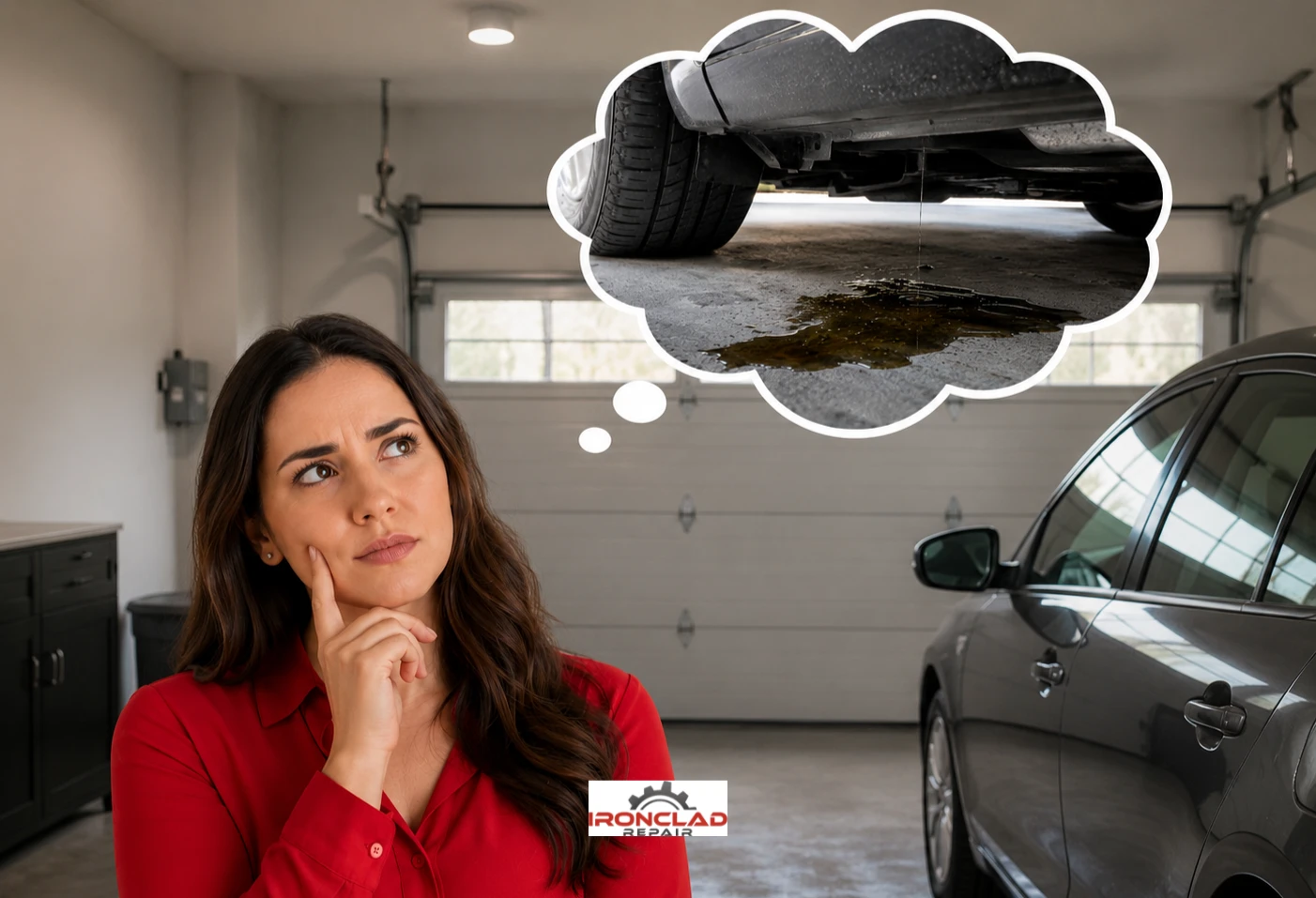
A light squeak might seem harmless, but it could mean your pads are wearing thin. A soft pedal might indicate a fluid leak or air in the lines. Grinding sounds often mean the pads are gone, and metal is hitting metal, which can lead to costly repairs. It's usually cheaper to take care of small issues before they become big ones.
Driving Conditions Matter
How you drive, like in stop-and-go traffic or towing heavy loads, affects your brakes. In hot places like Phoenix, high temperatures can wear out brakes faster and affect brake fluid. This is why many drivers opt for brake checks during routine maintenance instead of waiting for a failure. The focus is on prevention, not just repair.
Signs Your Brakes Need Attention Now
Noises Like Grinding or Squealing
One of the clearest signs is noise. A high-pitched squeal might mean your pads are getting thin, while grinding could mean they're already worn out. If you hear scraping or metal-on-metal noises, check it out immediately.
Modern brake pads might have built-in indicators that squeal when replacements are needed. Some cars even have sensors that trigger a warning light. If the noise changes when you hit the brakes, get it checked rather than waiting. For a more accurate diagnosis, a professional inspection can tell if it's pads, rotors, or something else.
Vibration or Shaking While Braking
If the steering wheel or the whole car shakes when you brake, your rotors might be warped or damaged. This is especially noticeable at high speeds. While some shaking can be due to tires or suspension issues, it's serious if it's related to braking, as it affects stopping efficiency.
If you also notice pulling or uneven wear, it might be a broader issue involving the suspension. You might need suspension and alignment services along with brake repairs. Ignoring vibration can lead to faster wear and more safety risks.
Soft or Spongy Brake Pedal
A brake pedal should feel firm. If it's soft or spongy, or if it sinks too low, there might be air in the lines or a fluid leak. Reduced pressure means less control, so this symptom needs immediate attention.
The AA warns that a spongy pedal is unsafe. Don't expect it to fix itself. Brake fluid condition matters, as it affects hydraulic performance. If the pedal changes, get it checked without delay.
Pulling to One Side When Braking
If your car veers to one side while braking, one brake might be working harder than the other. This could be due to a stuck caliper, uneven pad wear, or fluid issues. Pulling makes the car harder to control, especially in traffic.
Pulling can also be due to tire or alignment problems, so a thorough check is best. If you notice this, avoid long trips until it's inspected. It may seem minor, but it can cause uneven tire wear and unpredictable stopping.
Modern Warning Systems and What They Tell You
Dashboard Warning Lights and Sensors
Many newer cars have sensors that light up the dashboard when brake pads are worn. It's a handy advance in brake safety, giving you a heads-up before things get serious. Some cars also alert you to parking brake issues or fluid problems.
But a warning light doesn't tell the whole story. It might indicate wear, a fluid issue, or a sensor problem. For a clear answer, get a professional inspection. If the light comes with strange noises or poor braking, check it out right away.
Brake Pad Wear Indicators
Some pads have metal tabs that squeal when they're worn. This sound isn't just a glitch; it means replacement is near. Modern cars combine mechanical and electronic monitoring to make brake care proactive.
These systems work best when drivers respond quickly. Ignoring the warning sound can lead to rotor damage, turning a simple fix into a costly repair.
How Often to Check Brakes
Experts suggest checking brakes at least once a year, more often if you drive in tough conditions or see warning signs. The AAA and AA both stress regular checks to prevent major issues. Seasonal changes, dust, towing, and frequent braking make checks more valuable. In hot climates, they're especially important due to faster wear.
For proactive care, pair brake checks with oil changes or other maintenance. This way, issues can be caught early while the car is already in the shop. Regular care beats emergency repairs any day.
Knowing When It's a Real Brake Emergency
Recognizing Normal vs. Problematic Noise
Some brake noises happen in wet weather or after a cold start and fade quickly. But constant squealing, grinding, or scraping isn't normal and needs checking. The key is whether the sound repeats or affects performance.
When unsure, treat the problem as real. Brake systems are too critical to gamble on. If noise persists or pedal response changes, schedule service immediately. Trust how your car feels as well as what you hear.
When to Stop Driving Immediately
Some symptoms mean you should stop driving and get help right away. These include a pedal that goes to the floor, visible fluid leaks, a strong burning smell, smoke, or a sudden loss of stopping power. Grinding with poor braking is also urgent.
If the car feels unsafe, pull over safely and call for help. A tow might be smarter than risking further damage or an accident. Treat urgent symptoms as needing immediate repair.
Simple Self-Checks You Can Do
You don't need to be an expert to notice early signs. Pay attention to pedal feel, straight stopping, steering wheel shake, and dashboard alerts. Listen for sound changes during braking and note when issues occur.
Your observations help technicians diagnose faster. Describing symptoms clearly makes the repair process smoother. Shops focused on clear communication and accurate testing can save you time and stress.
Brake Fluid, Rotors, and Other Parts That Might Fail
Checking Brake Fluid and Leaks
Brake fluid makes the hydraulic system work. If it's low, dirty, or leaking, performance drops fast. A soft pedal or warning light might point to fluid issues. Since fluid absorbs moisture, old fluid reduces efficiency.
Regular fluid checks during service keep the system reliable. Fix leaks promptly; they can lead to full brake failure if ignored. Keeping up with preventive maintenance is smarter than waiting for visible trouble.
Rotor Damage and Uneven Wear
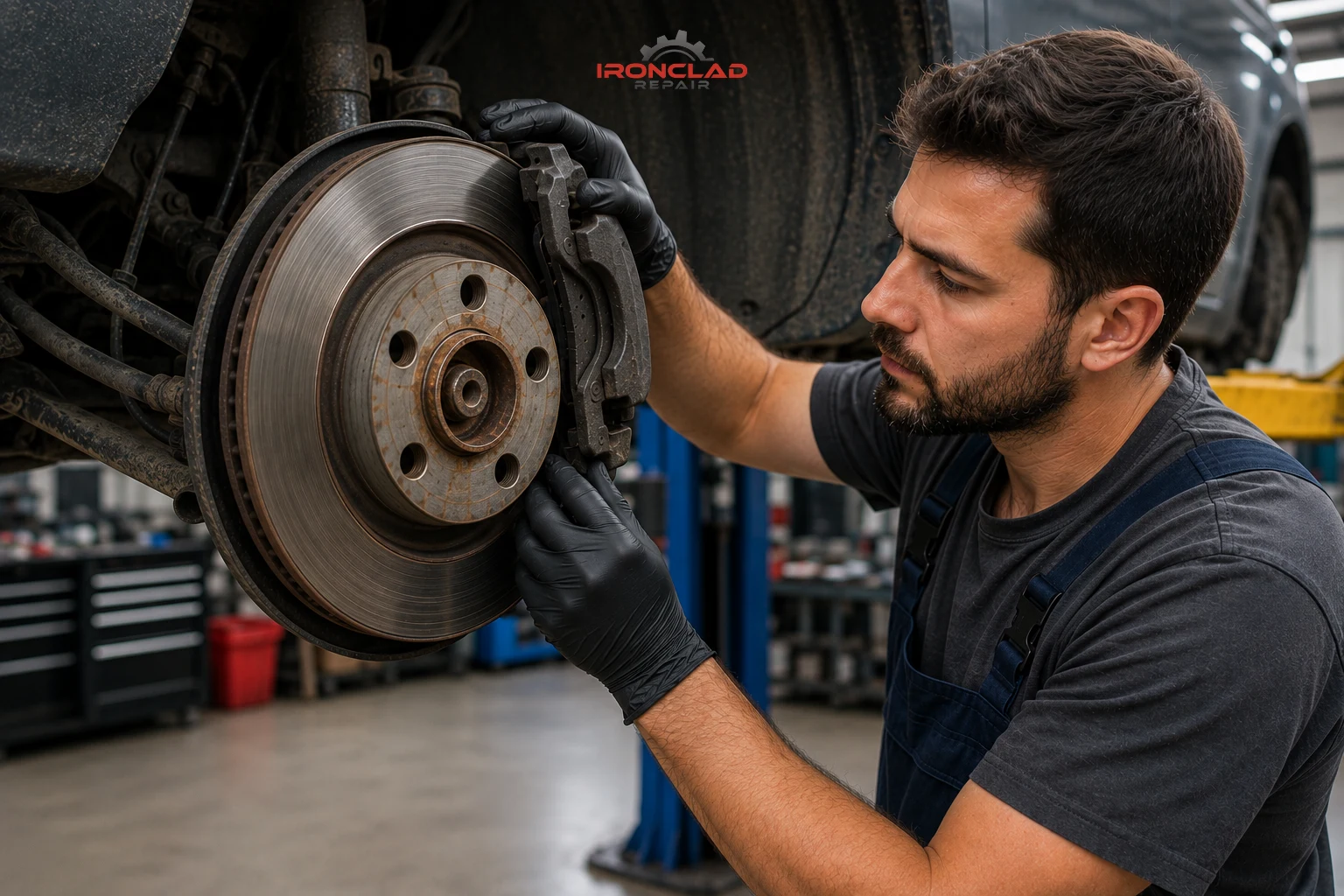
Rotors can warp or wear out from heat and friction. Ignoring worn pads can damage rotors, turning a simple pad job into a costly repair. Uneven rotors cause pedal pulsation and steering wheel vibration.
Ignoring a worn pad for weeks may mean replacing more parts than necessary. Prompt attention reduces damage and keeps repairs simple.
Issues with Calipers, Hoses, and Hardware
Calipers squeeze pads against rotors. If they stick or fail, braking becomes uneven. Hoses and hardware can wear out or leak, too. Brake symptoms might not come from just one part, so a detailed inspection is key.
Technicians look beyond obvious symptoms to find root causes. If one wheel is hotter after driving, a stuck caliper might be to blame. A leaking hose means fluid pressure loss. Repairs should match actual failures, not just visible symptoms.
Real-Life Examples Show Why Acting Fast Matters
Effects of Heat, Dust, and Driving Conditions
In desert areas, heat and dust can wear brakes faster. Phoenix drivers might find brake systems need more frequent checks due to high temperatures. Dust contributes to contamination, needing more inspections. These conditions make warning signs more critical.
Some shops offer services tailored to local conditions. In hot areas, brake inspections can be as crucial as AC services. Both systems keep your vehicle safe and comfortable.
How Delayed Repairs Can Get Costly
Imagine ignoring a light squeal for weeks, thinking pads have time. Eventually, the squeal becomes grinding, damaging the rotor and increasing braking distance. What was a simple pad replacement now demands more labor and parts. The car might even be unsafe.
This shows why early intervention matters. A simple brake job is almost always easier than fixing multiple parts later. Brake failure is serious, and inspection can prevent larger problems.
How Preventive Care Saves Your Budget
Brake repairs are cheaper when caught early. Replacing pads before they damage rotors is less costly. Fixing a leak early beats dealing with multiple component failures. Preventive maintenance improves safety and cuts surprise expenses.
If the budget is tight, some shops offer flexible payment options for big jobs. Ask about financing if a repair is urgent. Don't delay a safety fix over timing alone.
Steps to Take When You Notice a Brake Warning
Drive Less and Avoid Hard Stops
If you notice a symptom, drive less and avoid sudden stops. Gentle driving reduces stress on parts until a pro can inspect them. If symptoms are severe, stop driving and get help. Every extra mile risks more damage or a safety issue.
Avoid high-speed traffic or long trips until resolved. Brake problems can worsen quickly, especially in stop-and-go traffic. Acting early is safest and often cheapest.
Describe Symptoms Clearly to the Shop
When calling for service, explain what you noticed: sound, feel, when it happens, and if there's a dashboard light. This info helps technicians diagnose more efficiently. Mention if it occurs during braking, turning, or after driving for a while.
Clear communication improves diagnostics and helps shops prepare the right approach. It's helpful if the issue involves more than one system, like brakes and suspension. A detailed description leads to faster, more accurate repair recommendations.
Schedule a Brake Inspection Promptly
Even if the car stops, don't assume it can wait for your next service. Brake symptoms should be checked ASAP because systems can deteriorate quickly. A professional inspection can confirm if pads, rotors, fluid, calipers, or related parts need attention.
If you want reliable help, a trusted local shop can inspect the system, explain findings, and recommend needed work. Honest communication matters when safety is involved. A quick inspection today can prevent an emergency tomorrow.
Frequently Asked Questions About Brake Repair
How Often Should You Replace Brake Pads?
Brake pads often last about 30,000 miles, but this varies with driving habits, vehicle type, and conditions. Stop-and-go driving wears pads faster than highway cruising. Inspect pads regularly rather than relying on mileage. A technician can check pad thickness and advise on replacement timing.
Is Squeaking Always a Big Problem?
Not always, but persistent squeaking shouldn't be ignored. Light noise can come from moisture or rust, especially after rain. If the sound keeps coming back, changes with pedal pressure, or gets louder, have the brakes checked. Better to confirm early than wait for grinding.
Can You Drive with a Soft Brake Pedal?
No, a soft or spongy pedal is a serious warning. It may mean air in the lines, low fluid, or hydraulic issues weakening brakes. Even if the car moves and stops, it can worsen suddenly. It's safest to inspect immediately rather than continue driving.
What If the Warning Light Comes On but Brakes Seem Fine?
You should still check it. Warning lights alert you before a failure becomes obvious. The issue might worsen even if the brakes seem functional. It could involve pad wear, fluid level, or system faults. A diagnostic inspection is the right next step.
Final Thoughts: Safety Comes First
The key takeaway: listen to warning signs. Whether it's grinding, vibration, a soft pedal, or a dashboard light, your brakes are signaling you. Ignoring these signs can lead to bigger damage, higher repair costs, and unnecessary risks. Acting fast is always better.
If you're unsure about your brakes, schedule an inspection before things get worse. Pair brake checks with regular maintenance and prompt diagnostics to keep your car safe and reliable. For Phoenix drivers dealing with heat and dust, proactive service is even more important. Contact Ironclad Repair at (602) 730-1555 or visit Ironclad Repair for clear answers and dependable service before a small issue becomes a big problem.