Why Does Your Car Smell Funny? Understanding and Fixing Strange Odors
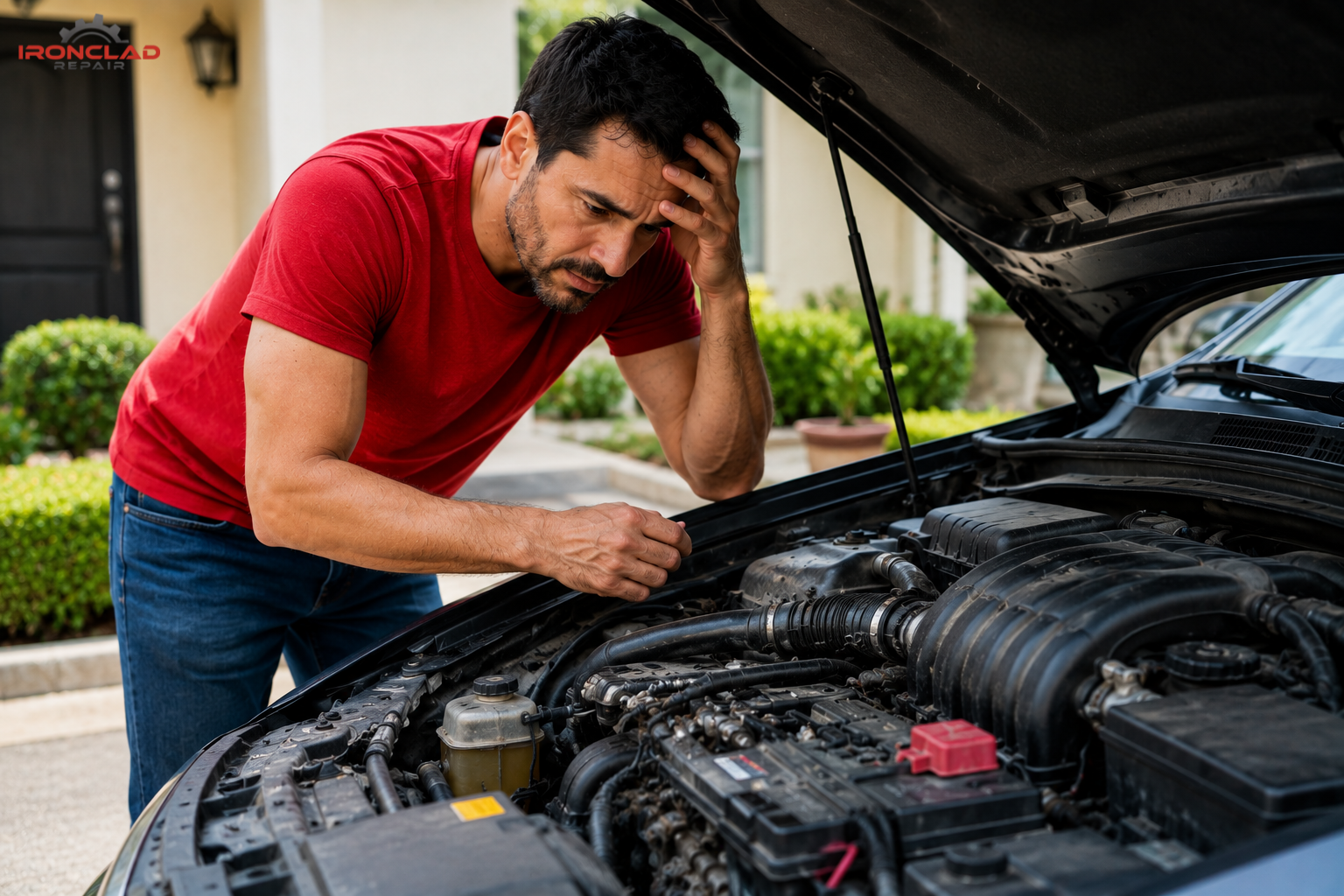
If your car has a weird smell, it might be more than just annoying. Often, it's a sign that something needs your attention. For instance, a burning smell could mean your brakes are overheating, or oil is leaking. A sweet smell might hint at a coolant leak, while a gasoline odor could indicate a serious fuel issue. Knowing what these smells mean can help you avoid costly repairs and keep you safe.
If you notice a new, odd smell in your car, don't ignore it. Especially if it shows up suddenly or gets worse over time. Try to pinpoint the smell, note when it happens, and consider scheduling vehicle diagnostics and troubleshooting if you can't figure out the source. Regular upkeep is important, too. Things like general vehicle maintenance and timely oil changes can prevent the leaks and wear that often cause strange odors.
As highlighted by the National Highway Traffic Safety Administration, even small maintenance issues can grow into bigger safety concerns if ignored, especially if they involve brakes, cooling, or fuel systems. You can check out the NHTSA vehicle safety resources for more details. Let's look at common car smells, what they usually mean, and what to do about them.
The Most Common Car Smells and What They Usually Mean
Burning Smell
A burning smell is quite common and usually urgent. It could be from overheated brakes, a slipping belt, oil leaking onto a hot engine part, or an electrical issue. This smell might be sharp and acrid, like hot metal or burning rubber. If it shows up after a long drive or heavy stop-and-go traffic, overheated brakes could be to blame. If it happens while the car is idling or after parking, a leak or electrical fault might be the cause.
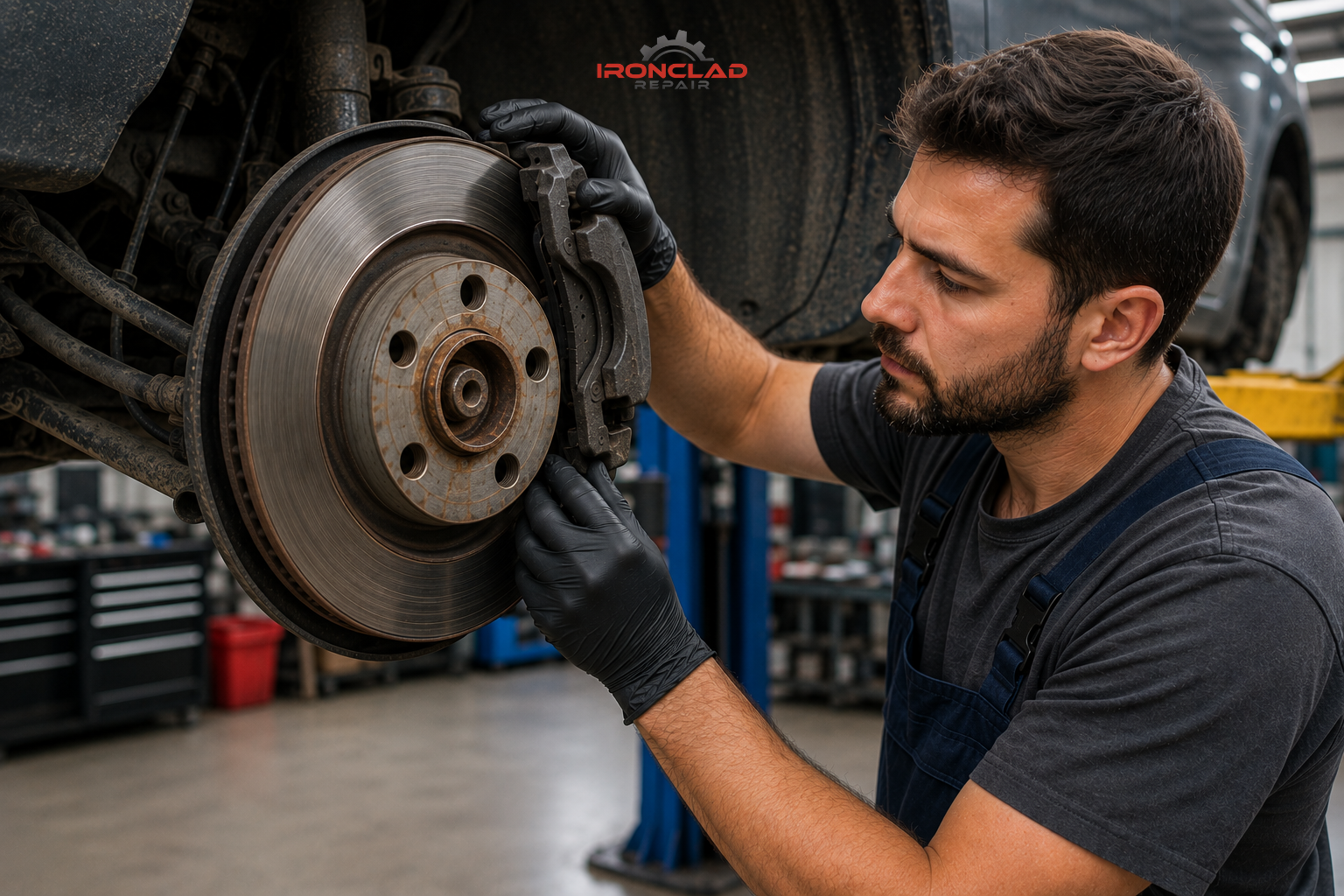
Because burning smells can come from different systems, it's wise to get a professional inspection. A trusted shop can check brakes, fluid levels, wiring, and belts before things get worse. If you notice reduced stopping power or squealing, you might need brake repair guidance and a thorough check of your brakes. Keeping up with routine maintenance can catch many of these issues early.
Sweet or Syrupy Smell
A sweet smell often means coolant, also known as antifreeze, is leaking somewhere. Coolant has a distinct sugary scent, and if it's escaping from a hose, radiator, water pump, or heater core, it can cause that recognizable odor. Don't ignore it, as coolant keeps your engine cool. A leak can lead to overheating and major engine damage.
If you notice this smell along with a rising temperature gauge, white vapor, or damp spots under the car, stop and check things out. As noted by the U.S. Environmental Protection Agency, vehicle fluids need careful management because leaks can pose safety and environmental problems. For more context, see the EPA transportation and air pollution resources. Cooling system issues are best handled with accurate diagnostics.
Musty or Moldy Smell
A musty smell typically means moisture, mold, or mildew is building up in the cabin or air conditioning system. In hot climates, AC systems are used a lot, and condensation inside the HVAC system can create an environment where mold and bacteria grow. This can lead to stale or damp odors when the fan or AC is switched on. The smell might be strongest when the car first starts or when the AC is set to recirculate.
It's not just about comfort; it can affect air quality and make driving less pleasant. Common causes include a clogged cabin air filter, blocked drain line, or dirty evaporator. If your cabin air smells musty, consider air conditioning services or automotive air conditioning repair and maintenance to clean and restore the system. The EPA indoor air quality guidance reminds us that mold and moisture problems should be addressed promptly.
Rotten Egg Smell
A rotten egg odor is often linked to the catalytic converter or a sulfur-related exhaust issue. The catalytic converter helps reduce harmful emissions, and when it's not functioning properly, sulfur compounds can create a strong rotten egg scent. This smell might appear after acceleration, during heavy load, or when the engine has trouble processing fuel properly.
Take this smell seriously, as it can indicate an emissions problem, overheating converter, or fuel delivery imbalance. A failing catalytic converter may also reduce power and fuel efficiency. If the smell appears with sluggish acceleration, rough running, or warning lights, a diagnostic appointment is the best step. For more on performance symptoms, read why your car feels slower and how to fix it.
Gasoline Smell
A gasoline smell is one of the most urgent because fuel is highly flammable. It could be a loose fuel cap, a leaking fuel line, or a problem near the fuel tank. Sometimes the smell appears right after refueling, but if it lingers or gets stronger, there might be an active leak that needs immediate attention.
If you smell gasoline, don't smoke, avoid open flames, and don't keep driving if the odor is strong. Pull over in a well-ventilated area and have the vehicle inspected. Fuel leaks are why vehicle diagnostics and troubleshooting are crucial. A trained technician can find the source and determine if it’s a cap, gasket, hose, or something more serious.
Why You Shouldn't Ignore Strange Car Odors
Smells Often Show Up Before Bigger Problems
One of the best things about odor detection is that smells often appear early. A leak might start as a faint scent before a dashboard light comes on. A brake issue might announce itself through heat and odor before you notice reduced stopping power. This makes smell a valuable first clue in car diagnostics.
Drivers who act early often save money and avoid big failures. This is why preventative care is a big part of reliable car ownership. Regular vehicle maintenance can catch leaks before they spread and identify weak components before they fail.
Some Odors Become Safety Hazards Quickly
Not every smell is dangerous, but some can become immediate hazards. Gasoline smells might mean a fire risk. Burning electrical odors can lead to smoke or wiring damage. Coolant leaks can cause overheating, leaving you stranded or damaging the engine. If a smell comes with performance issues, the risk level rises.
It's helpful to understand related symptoms. If a smell happens with warning lights, temperature changes, odd noises, or driving trouble, don't delay service. The more clues you provide, the easier it is for a technician to find the root cause.
Climate and Driving Habits Can Make Odors Worse
Your local conditions matter. In hot regions, AC systems work harder, rubber parts age faster, and fluids break down under heat stress. Stop-and-go traffic, short trips, and infrequent maintenance can also make odors more noticeable. In hotter areas, a small problem might reveal itself through smell long before it becomes obvious in other ways.
That's why staying consistent with air conditioning services and cooling-system checks is important. If your air smells stale or your vents release a sour odor, it might be time for a full AC inspection.
How to Identify the Source of the Smell
Pay Attention to When the Smell Happens
Timing is key for diagnosing an odor. Does it appear while idling, accelerating, braking, using the AC, or after parking? A burning smell after braking points to the brakes. A musty smell when the AC turns on points to the HVAC system. A sweet smell after the engine warms up may point to a coolant leak.
Write down the circumstances if you can. Even a few details can help a technician narrow down the possibilities. If the smell is inconsistent, appears only in certain weather, or gets stronger with airflow, that's also valuable information.
Check for Visible Signs Without Touching Hot Parts
If it's safe, look for visible evidence like fluid under the car, steam from the hood, a warning light, or smoke. Never touch hot components or remove a radiator cap on a hot engine. If you suspect a fuel or electrical issue, avoid experimenting.
When in doubt, a professional inspection is a safer choice. Technicians use testing equipment and visual inspections to find the source without guesswork. If the problem seems connected to braking, cooling, or airflow, a full diagnostic evaluation can save time.
Compare the Smell to Recent Service or Driving Events
Think about recent maintenance, road trips, or changes in how the car behaves. Did the smell start after an oil change, brake job, or AC repair? Did it appear after a long drive in extreme heat?
A light burning smell after a fresh repair might be normal if residue is burning off, but a recurring smell isn't. Likewise, if you drove hard in traffic and then notice a hot brake smell, that might be temporary, but repeated brake odor suggests wear.
Real-World Examples of Car Odors
The Coolant Leak That Prevented Overheating
In one case, a driver noticed a faint sweet odor after a routine commute. At first, the smell was easy to ignore because the car drove normally. A shop inspection later found a small coolant leak at a hose connection. Caught early, the repair was simple, and the engine avoided overheating.
This example shows the value of early detection. Regular maintenance and prompt service after the first warning sign often make the difference between a simple repair and a major breakdown.
The Musty AC Odor That Was Solved with Cleaning
Another case involved a musty cabin odor traced to mold in the AC system. The driver tried a scented spray, but the smell returned when the AC was turned on. After inspection, the shop found moisture buildup and a dirty evaporator. Cleaning the system and replacing the filter restored air quality.
This is common because AC systems can trap moisture and dust over time. In hot-weather driving, conditions are ideal for buildup. Automotive air conditioning repair and maintenance is not just about comfort but also about preventing recurring odors.
The Fuel Smell That Required Immediate Action
A gasoline odor is a problem that shouldn't wait. In one example, a driver noticed a fuel odor after parking. The smell was strongest near the rear and became more noticeable after refueling. A technician found a damaged fuel component that could have led to a dangerous leak. Because the owner acted quickly, the repair was manageable, and the safety risk was reduced.
This shows why strong fuel odors deserve immediate attention. There's a big difference between a minor scent and an active leak, but both should be evaluated without delay.
Preventing Unusual Car Odors
Regular Maintenance Matters
Most odor problems are easier to prevent with consistent maintenance. Oil changes reduce oil burning on hot engine parts. Brake inspections can catch worn components before they overheat. Cooling-system checks can reveal leaks before they cause a sweet smell.
Industry data shows that cars with regular service histories usually have fewer surprise repairs than neglected ones. Maintenance reduces risk and often lowers long-term costs.
Service the AC System Regularly
For many drivers, the AC system is the source of the most noticeable cabin odor. Replacing filters, clearing drain lines, and inspecting the evaporator can prevent mold and stale smells before they become obvious. If your vents smell bad when the fan turns on, schedule a check.
If you live in a hot area, this is even more important. Drivers who depend on their cooling system should consider automotive air conditioning repair and maintenance part of their normal vehicle care.
Address Leaks and Warning Signs Right Away
Leaks are a common reason cars smell, and they rarely get better on their own. A small oil drip can become a burning odor. A minor coolant leak can lead to overheating. A fuel leak can become a serious safety hazard.
If a smell is paired with hesitation, rough shifting, poor stopping, or unusual temperatures, it's smart to get professional help right away. Preventive service isn't just about extending vehicle life. It helps keep your family safe and your car predictable.
When to Stop Driving and Get Help
Signs You Shouldn't Keep Driving
Some smells can wait for a scheduled appointment, but others need immediate action. Stop driving if you smell gasoline strongly, see smoke, notice steam from the hood, or experience loss of braking or overheating along with the odor. Also, stop if the burning smell is intense and the car feels hot or unsafe.
If the car seems drivable but the smell keeps returning, book service soon. A steady odor is usually a symptom of a persistent issue, not a one-time event. Schedule diagnostics before it becomes more expensive.
How a Professional Shop Handles Odor Complaints
A good repair shop listens to your description, checks when the odor occurs, and looks for supporting symptoms before making recommendations. This might include fluid inspection, brake checks, HVAC testing, and road testing. The goal is to find the cause of the smell and see if it has affected other parts of the car.
Ironclad Repair focuses on clear explanations and honest recommendations, so you know what's urgent, what can wait, and what should be monitored. If an odor is related to routine wear, a simple service might solve it. If it's a bigger issue, early identification helps protect your vehicle and budget.
Frequently Asked Questions About Car Odors
How Can I Identify the Source of the Odor?
Start by noting what the smell resembles, when it happens, and whether it comes from inside the cabin, under the hood, or near the wheels. Then look for related symptoms like temperature changes, warning lights, leaks, or performance issues. If the cause isn't obvious, a professional inspection is the quickest way to get answers.
Is It Safe to Drive with an Unusual Odor?
It depends on the smell. A mild musty odor might be more of a comfort issue, while a gasoline smell or strong burning odor can be dangerous. If the smell is intense, recurring, or paired with smoke, overheating, or warning lights, stop driving and get the vehicle checked immediately.
Can Regular Maintenance Prevent Strange Smells?
Yes, many odors are linked to wear, leaks, or buildup that maintenance can help prevent. Oil changes, brake inspections, coolant checks, and AC servicing all reduce the chances of the most common smell-related issues. Consistent upkeep makes odor-related failures less likely and easier to catch early.
Conclusion: Trust Your Nose and Act Early
Strange smells are often your car’s way of telling you something needs attention. A burning odor could mean overheated brakes or leaking oil, a sweet smell could point to coolant, a musty smell often means mold in the AC system, a rotten egg smell can indicate catalytic converter trouble, and a gasoline odor might signal a fuel leak. These clues are important, and the sooner you respond, the better your chances of avoiding major damage.
If you're dealing with a strange smell and want a clear answer, start with a professional inspection and a maintenance plan that fits your needs. Services like oil changes, general vehicle maintenance, and vehicle diagnostics and troubleshooting can help resolve the root cause instead of masking the symptom. For Arizona drivers who rely on reliable cooling, air conditioning services can also improve comfort and air quality.
If you're ready to get answers, contact Ironclad Repair at (602) 730-1555 or visit 21609 N 12th Ave, Suite 500, Phoenix, AZ 85027. A quick inspection today can protect your safety, prevent a bigger repair tomorrow, and keep your vehicle running smoothly.